

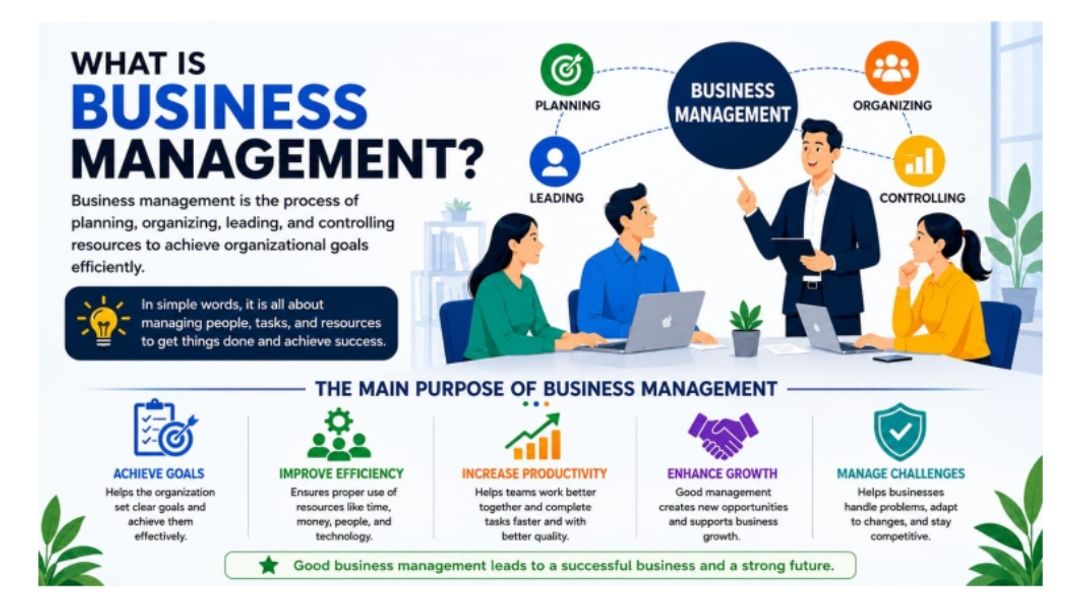
Most folks think business means only sales or profit. Yet look closer - planning shapes each win. People working together matter more than it seems. Choices get made, paths shift. Structure holds things in place. That whole system? It goes by one name: managing a business.
Running a company takes more than just an idea. When teams lack guidance, progress often stalls. Big corporations and tiny shops both need ways to stay on track. Clear plans help hit targets step by step. Growth tends to follow when efforts are organized. A smart concept might still fall apart without routine checks. Structure gives purpose. Direction keeps everyone moving forward.
Start here if you’re new to the topic - this walkthrough explains business management in clear terms. What it is becomes clearer once you see how companies rely on it daily. Reasons it counts come into view when goals, people, and plans meet. Functions unfold across planning, leading, controlling - not always in that order. Skills grow through practice: communication shows up early, problem-solving later. Careers pop up in nearly every industry where teams need direction. Real-world use appears whenever decisions shape results.
Understanding Business Management
Achieving goals well means guiding a company through structure, direction, oversight, plus clear preparation. What happens next depends on how tasks are shaped, decisions made, efforts guided, results checked.
Running a company well involves keeping all parts of it moving together smoothly. It includes:
- Managing employees
- Handling business operations
- Setting goals
- Solving problems
- Managing money and resources
- Improving productivity
- Making important decisions
Smooth operation across teams? That comes down to the business manager keeping things on track. Success doesn’t happen by accident - coordination is guided, step by step. Each department links into a larger flow through steady oversight. The whole company moves forward when parts connect clearly.
For example:
Running a restaurant means guiding employees while also solving guest concerns on the spot. Through early mornings, stock gets checked without delay. Each shift brings coordination of kitchen pace with front desk rhythm. Behind the scenes, supplies are tracked so nothing runs out by dinner rush.
From day one, a company manager handles staff tasks along with keeping projects on track. Growth of the business falls under their watch too, not just sales numbers but how things move forward. Their role includes guiding people while making sure goals are met without falling behind.
Running a new company means handling plans while juggling money tasks alongside getting people to work together. Marketing falls into that mix, shaped by daily choices rather than big strategies.
No matter the industry, management plays a major role.
Business Management Matters?
Running a business well keeps things running smoothly instead of falling apart. A clear plan means tasks get done without chaos taking over.
Without proper management:
- Employees may become confused
- Some jobs might finish late. Not everything gets done when planned. Deadlines can slip without warning. Work sometimes drags past its due moment. Timing often fails to hold steady
- Money may be wasted
- Folks might feel let down
- Business growth may slow down
Good management helps businesses:
- Reach goals faster
- Improve teamwork
- Increase profits
- Reduce mistakes
- Make better decisions
- Handle challenges effectively
Even small businesses need management to survive in competitive markets.
Main Functions of Business Management
Most folks split running a business into four big pieces:
Planning
Planning means deciding:
- What the business wants to achieve
- How goals will be reached
- What steps are needed
This is the foundation of management.
Managers create:
- Business strategies
- Marketing plans
- Financial budgets
- Project timelines
Example:
A clothing company planning to launch a new product will:
- Research customer demand
- Set pricing
- Create marketing campaigns
- Decide launch dates
A solid plan cuts down on surprises while boosting chances of getting it right. Success leans heavily on how well things are mapped out ahead of time.
2. Organizing
Organizing means arranging resources and tasks properly.
Managers decide:
- Who does what
- Which teams handle certain tasks
- How resources are used
Staying clear keeps companies from getting mixed up.
Example:
In a software company:
- People who write code put the software together
- Designers create visuals
- Marketing teams promote it
- Customer support helps users
Organization improves efficiency and productivity.
3. Leading
Guiding a team often starts with showing the way. Motivation follows when people see purpose in what they do. A leader shapes that path without needing titles or rules.
Managers must:
- Communicate clearly
- Inspire teams
- Solve conflicts
- Encourage productivity
Most of the time, someone who leads well brings out strong work from people on the team.
Example:
When things get tough on a job, one person stepping up may lift spirits across the group. A steady presence near the front often helps others stay linked and moving together.
True guidance means more than just handing out directions. What matters most shows up when people listen closely, stay patient, think ahead, build trust slowly, respond instead of react, show up consistently, admit mistakes openly, encourage questions freely, keep learning quietly, and help others grow without needing credit.
- Listening
- Supporting employees
- Building trust
Strong leadership creates a positive work environment.
4. Controlling
Checking happens when someone sees if targets get hit. Goals might shift while efforts move forward.
Managers monitor:
- Employee performance
- Business growth
- Sales results
- Project progress
When issues come up, leaders step in to fix them.
Example:
If sales are lower than expected, managers may:
- Improve marketing
- Reduce costs
- Change strategies
Staying focused becomes easier for companies this way.
Business Management Types
Running a company means handling parts that change based on what the work requires.
Financial Management
Financial management focuses on:
- Budgeting
- Investments
- Expenses
- Profit management
The fitness of the company's finances stays intact because of it.
2.Human Resource Management
HR management handles:
- Hiring employees
- Training staff
- Employee relations
- Workplace policies
Good HR management improves employee satisfaction.
3.Marketing Management
Marketing management focuses on:
- Advertising
- Branding
- Customer engagement
- Market research
Businesses find it easier to draw people in when they use this.
4. Operations Management
Operations management handles daily business activities.
This includes:
- Production
- Supply chains
- Logistics
- Quality control
Smooth workflows boost output. Running things well means more gets done.
5. Project Management
Project management focuses on completing specific tasks or projects successfully.
Managers:
- Set deadlines
- Allocate resources
- Track progress
- Manage teams
Out here, you’ll see it often - tech, building work, design fields. It shows up most where people make things fast. Not every field runs like this, just those that move quickly.
Skills Needed in Business Management
Successful managers need multiple skills.
Communication Skills
Managers communicate with:
- Employees
- Clients
- Customers
- Business partners
When people speak plainly, confusion drops. A shared understanding grows through straightforward words.
Leadership Skills
People who lead give energy to groups, steering companies where they aim to go.
Good leaders:
- Stay confident
- Support employees
- Make smart decisions
Problem-Solving Skills
Challenges show up in every company. Some days things just do not go smoothly.
Managers solve problems related to:
- Customers
- Finances
- Employees
- Operations
Faster fixes mean fewer hiccups in daily operations.
Time Management
Every day, those in charge juggle a pile of duties. Tasks stack up fast under their watch.
Time management helps:
- Meet deadlines
- Improve productivity
- Reduce stress
Decision-Making Skills
Managers make important decisions regularly.
These decisions affect:
- Company growth
- Employee performance
- Business profits
Good choices at work tend to lead somewhere better. When people pick wisely, results often follow.
Business Management Fuels Company Growth
Business management helps companies grow in several ways.
Better Productivity
Work well runs smoother when leaders guide clearly instead of just pushing tasks forward. People do better work if they understand direction without confusion hanging around.
Employees understand:
- Their responsibilities
- Deadlines
- Company goals
This increases efficiency.
Improved Teamwork
Teams work closer when managers step in. A shared effort grows without forced meetings. Trust builds slowly through small actions. Progress shows up quietly over time.
Strong teamwork:
- Reduces conflicts
- Improves communication
- Increases creativity
Customer Satisfaction
Management ensures customers receive:
- Good service
- Quality products
- Fast support
Most people who enjoy a product stick with it over time.
Higher Profits
Businesses with strong management usually:
- Reduce unnecessary costs
- Improve sales
- Increase productivity
Faster gains build up slowly when you stick with it.
Managing Work in Small Companies
Most folks believe managing teams is something big businesses worry about. Wrong. That statement doesn’t hold up.
Small businesses also need proper management.
A small business owner often manages:
- Finances
- Employees
- Marketing
- Customer service
- Inventory
A cluttered workspace sneaks up on small shops when nobody's watching. Messy systems creep in, making every task feel heavier than it needs to be.
Steady growth often follows when small companies get solid guidance. A clear hand at the wheel makes all the difference over time.
Problems Running a Business
Running a company can be tough at times. Managers face many challenges daily.
Managing Employees
Some workers act one way while others do things completely opposite. How people handle tasks varies just as much as their attitudes.
Managers must:
- Handle conflicts
- Maintain motivation
- Build teamwork
Competition
Businesses compete constantly. Managers must:
- Improve products
- Stay updated with trends
- Adapt quickly
Financial Pressure
Managing budgets and expenses can be difficult. Mistakes with money often bring failure instead of profit. How funds are handled can quietly decide the outcome behind the scenes.
Technology Changes
Technology changes rapidly. Businesses must adapt to:
- Automation
- AI tools
- Digital marketing
- Online communication
Faster change usually helps leaders win.
Career Opportunities in Business Management
Business management offers many career paths. Popular careers include:
- Business Manager
- Project Manager
- Operations Manager
- HR Manager
- Marketing Manager
- Sales Manager
- Financial Analyst
- Entrepreneur
Management skills are valuable in almost every industry.
Business Management Compared With Business Administration
People often confuse these two terms.
Business Management
Focuses more on:
- Leadership
- Managing teams
- Daily operations
- Decision-making
Business Administration
Focuses more on:
- Business systems
- Administrative processes
- Company structure
One ties into the other, yet leading tends to shape how things get managed.
How Tech Shapes the Way Businesses Run Today
Folks running companies today lean on tech to handle daily work. Tools shape how teams track progress without old paperwork slowing things down. Popular tools include:
- Team communication software
- Project management apps
- CRM systems
- Cloud storage platforms
- AI productivity tools
Technology helps businesses:
- Save time
- Improve collaboration
- Manage remote teams
- Increase efficiency
Far from offices, people now rely on tools that connect them across distances. Screens light up conversations once held in hallways. Devices hum through tasks that used to need desks and drawers. Messages zip where footsteps used to go. What was once wired is now wireless; fixed becomes fluid.
Learning Business Management
Finding your way into management might not demand a business diploma. Most skills grow through experience rather than classrooms. Some pick up leadership by watching others stumble. A few figure it out while solving daily problems. Learning happens anywhere effort shows up.
Many people learn through:
- Online courses
- Real-world experience
- Internships
- Business books
- Mentorship
- YouTube tutorials
Still, schooling might add layers to what you already know. Popular business management subjects include:
- Marketing
- Finance
- Leadership
- Entrepreneurship
- Economics
How to Be a Better Business Manager
- Improve Communication
- When people talk clearly, trust grows because everyone understands one another. Teamwork flows better when messages are straightforward instead of confusing. Missteps fade once honest words become routine across interactions.
- Figure Out How Things Work
- When problems come up at work, keep your head clear. Instead of reacting fast, think through what fixes are possible.
- Stay Organized
- Use planners, tools, and schedules to manage tasks.
- Keep Learning
- New ways of working shift all the time because tools keep evolving.
- Listen to Employees
- Folks who lead well tend to listen hard, while also pulling together with their team. A different rhythm emerges when trust flows both ways.
- Adapt Quickly
- When times get tough, companies that adapt tend to come out ahead.
How Businesses Might Change Over Time
Business management is evolving rapidly. Future trends include:
- AI-powered management tools
- Remote work systems
- Digital collaboration platforms
- Automation
- Data-driven decision making
Facing change calmly, those guiding teams through tech shifts stay relevant. Still, it's not just tools they grasp - it's people too. Soft skills like communication and creativity will also become more important.
Final Thoughts
Running a company means setting targets, arranging tasks, guiding teams, while keeping operations on track to hit objectives smoothly. What matters most? Making sure every step lines up without clutter or confusion getting in the way. It plays a major role in:
- Productivity
- Teamwork
- Business growth
- Customer satisfaction
- Profitability
From tiny startups to massive corporations, structure keeps operations running without chaos. A clear path forward often means fewer surprises down the road. Starting out means getting how business management works matters most. A new person finds clear ideas help them move forward. Knowing what happens inside companies opens doors slowly. First lessons stick when they are simple like these. Learning step by step builds real confidence over time:
- Starting a business
- Becoming a manager
- Improving leadership skills
- Building a successful career
Out here where things shift overnight, knowing how to lead well means something real.
FAQs
1. What is business management?
Business management is the process of planning, organizing, leading, and controlling business activities to achieve company goals efficiently.
2. Why is business management important?
It helps businesses improve productivity, reduce confusion, manage teams effectively, and achieve long-term growth.
3. What are the main functions of business management?
The main functions are planning, organizing, leading, and controlling business operations and teams.
4. What skills are needed for business management?
Important skills include communication, leadership, problem-solving, decision-making, and time management.
5. Can small businesses benefit from business management?
Yes, proper management helps small businesses stay organized, improve teamwork, and grow more efficiently.
6. What are common challenges in business management?
Managers often face employee conflicts, financial pressure, competition, and rapidly changing technology.
7. How does technology help business management?
Technology improves communication, task management, remote collaboration, productivity, and business organization.
8. What careers are available in business management?
Popular careers include business manager, project manager, HR manager, operations manager, marketing manager, and entrepreneur.